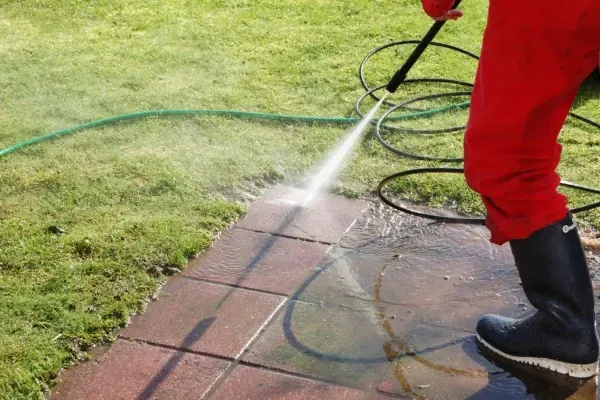
From Grime to Shine: Best Pressure Washing Tips for Cecil County Residents | Bin Busters
If you live in Cecil County, you know how fast the outside of your home can go from “nice and clean” to “why does everything look green?” Pretty quickly, right?
Between Chesapeake Bay moisture, winter freeze–thaw cycles, spring pollen, and shady tree-covered yards, siding, decks, roofs, and driveways take a beating. Algae, mildew, grime, and stains love our climate. And when you’re staring at a dirty house or slippery sidewalk, pressure washing feels like the obvious solution.
You’re in the right place. In this guide, you’ll learn everything you need to know about pressure washing your Cecil County home safely and effectively, what to wash, what NOT to wash, the right pressure settings, equipment tips, and how to protect your property while you clean. The goal is simple: help you make smarter decisions, avoid expensive mistakes, and feel confident about taking care of your home.
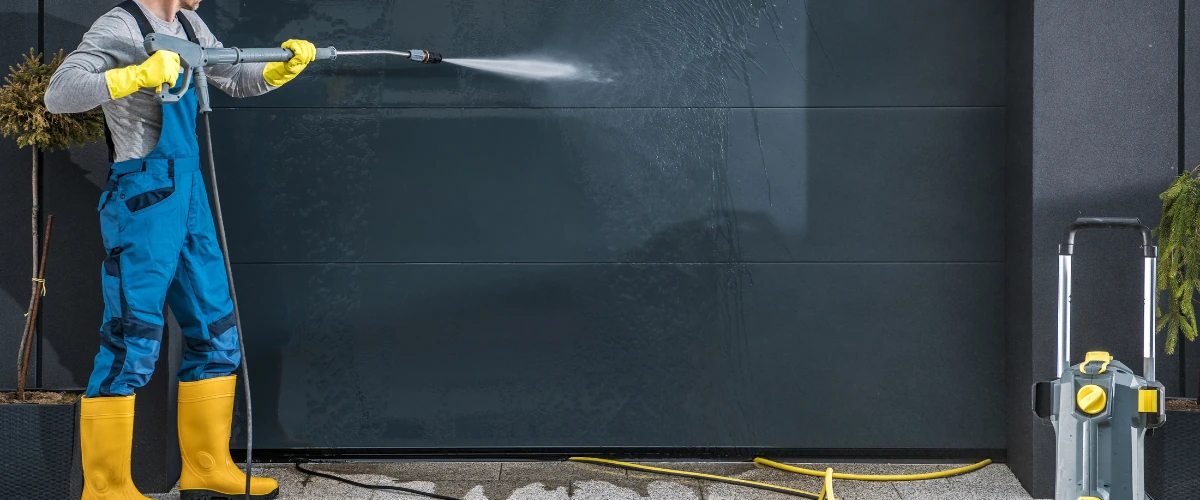
Why Pressure Washing Matters for Cecil County Homeowners
Pressure washing isn’t just about looks. In our area, it’s genuinely part of home maintenance.
Moisture from rivers and the Bay, high humidity in the summer, and shady wooded lots around towns like Elkton, North East, Perryville, and Chesapeake City create perfect conditions for:
mold
mildew
algae
moss
pollen buildup
dirt and grime
Left alone, these don’t just look bad. They can:
eat into siding coatings
cause wood rot
make concrete slick and dangerous
stain roofs
shorten the lifespan of exterior materials
You also deal with seasonal issues unique to Cecil County:
spring pollen blankets
leaf tannins and stains in fall
winter salt and de-icer residue on concrete
freeze–thaw cracking worsened by dirty, clogged surfaces
So when you pressure wash, you’re not just cleaning, you’re protecting your investment.
Pressure Washing vs Power Washing vs Soft Washing
These terms get thrown around, and they’re not all the same.
Pressure washing
Uses high-pressure water to blast away dirt, mud, and loose paint from durable surfaces like concrete.
Power washing
Similar to pressure washing but with heated water. Great for oil stains and grease removal on tough surfaces.
Soft washing
Low pressure + specialized cleaning solutions. Ideal for siding, roofs, and surfaces that can be damaged by force.
Here’s the key thing for you: not every surface around your home should be blasted with high pressure. That’s where many homeowners get into trouble.
What You Can Safely Pressure Wash Around Your Home
Let’s talk practical stuff, what you can actually clean.
Good candidates for higher-pressure
concrete driveways
brick
pavers
stone walkways
some metal surfaces
garage floors
These are tough enough to handle higher PSI when done correctly.
Better suited for soft washing or lower-pressure
vinyl siding
painted wood
composite decking
roofs
fences
stucco
screened porches
If you’re ever unsure, assume less pressure is safer. You can always increase slowly, but you can’t undo damage.
Understanding PSI and GPM (So You Don’t Damage Anything)
Two terms matter when you pressure wash:
PSI (pounds per square inch) = force
GPM (gallons per minute) = flow
High PSI with low GPM gives force without rinse power.
Lower PSI with higher GPM often cleans better with less risk.
Here’s a simple rule of thumb to help you:
1,200–1,800 PSI → siding, outdoor furniture
2,000–2,800 PSI → decks, fences (carefully)
3,000+ PSI → concrete and brick only
If you point 3,000 PSI at vinyl or wood, you can:
etch lines into siding
drive water behind panels
strip paint
scar wood fibers
void warranties
So take your time and think before you squeeze the trigger.
What Makes Cecil County Cleaning Unique
You live here, so you already know our area has its own quirks. Pressure washing here means paying attention to:
High humidity and shade
Algae loves:
north-facing walls
shaded decks
areas under big trees
You’ll see that green film pop up faster than in drier climates.
Well water and rust stains
Parts of Cecil County have iron-rich water. That can leave orange rust stains on:
concrete
siding
irrigation-sprayed areas
Regular washing helps prevent deep staining.
Freeze–thaw winters
Water forced into cracks can expand when frozen and cause more damage. This is why cleaning BEFORE winter is huge.
The Right Order to Pressure Wash Your Property
Ever wash something only for dirty water to drip back down? Annoying, right?
Use this order:
Gutters and fascia
Roof (soft wash only)
Siding
Windows (rinse only, not direct high pressure)
Decks and railings
Walkways
Driveway
Top to bottom saves you from redoing work.
Common Pressure Washing Mistakes to Avoid
A pressure washer is powerful, and forgiving mistakes is not what it does best.
Here are the big errors to avoid:
spraying upward under vinyl siding
pressure washing asphalt shingles
using bleach incorrectly or too strongly
cleaning painted wood with high pressure
standing too close to the surface
forgetting safety glasses and gloves
ignoring plants and landscaping
not testing a small area first
And the big one: thinking more pressure equals better cleaning. Often, it doesn’t.
Safety Tips You Shouldn’t Skip
Pressure washers can cut skin, damage eyes, and break glass. Treat them like power tools, not garden hoses.
Keep these safety steps in mind:
wear closed-toe shoes
avoid ladders with a running washer (kickback is real)
don’t spray others (even “just for fun”)
never spray electrical panels or outlets
be careful around windows and screens
Also, protect landscaping by lightly spraying plants with clean water before and after washing to reduce chemical stress.
Best Pressure Washing Equipment Manufacturers
If you’re researching equipment, it helps to know the brands people trust. Below are some of the best manufacturers known for durable, reliable pressure washing machines and accessories.
Top manufacturers of pressure washing equipment
Ryobi – User-friendly electric options that are great for home use, patios, and lighter cleaning projects.
Generac – Strong residential gas pressure washers with solid performance and intuitive controls for homeowners.
DeWalt – Rugged build quality, excellent pumps, and high-output gas units designed to take on tougher cleaning jobs.
Choosing the Right Nozzle Matters More Than You Think
The nozzle controls spray angle and force. Here’s a simple breakdown:
Red (0°) → pinpoint, most dangerous, rarely needed
Yellow (15°) → heavy-duty cleaning like concrete
Green (25°) → general outdoor cleaning
White (40°) → delicate surfaces and rinsing
Black → soap application
When in doubt? Start wider.
You can always move closer or tighten the angle if needed.
Eco-friendly Pressure Washing in Cecil County
With waterways feeding into the Chesapeake Bay, runoff matters.
You can make your cleaning more environmentally responsible by:
using biodegradable detergents
avoiding washing before storms
minimizing chemical use
blocking storm drains if possible
rinse plants before and after washing
It doesn’t have to be complicated, just thoughtful.
Pressure Washing Different Areas of Your Home
Let’s quickly walk through each major surface.
Siding
Use:
low pressure
soft wash approach
wide-angle nozzle
Never spray upward under panels, which traps water.
Decks and fences
Wood grain can splinter easily.
Keep these in mind:
stay with lower PSI
follow the grain of the wood
avoid hovering too close
Roofs
This one is important:
Do not pressure wash asphalt shingles.
Use soft washing techniques only to avoid removing granules and shortening roof life.
Driveways and concrete
Here, you can use higher PSI.
Perfect for removing:
oil
rust
dirt
tire marks
Surface cleaners help avoid “tiger stripes.”
Our Experienced Team at Bin Busters Is Ready to Help
Our team at Bin Busters has been pressure washing homes in this region for years, and we truly love what we do. We’ve seen every kind of stain Cecil County can throw at a home, and we know what works and what causes damage. As with anything in life, when you work with the best, you get the best results, and it usually saves you money in the long run by preventing costly repairs.
If you’re ready to get your project tackled by our team of friendly industry experts, contact us at (302) 499-4600 and we’ll help you get started.
Frequently Asked Questions About Pressure Washing in Cecil County
How does pressure washing actually clean my house?
Pressure washing uses pressurized water pushed through a spray wand to wash away dirt, grime, mold, mildew, dust, mud, and debris from outside surfaces. The pressure, measured in pounds per square inch (PSI), loosens stuck-on stuff, while water flow (GPM, or gallons per minute) rinses it away. It’s a proven cleaning method for siding, patios, decks, driveways, and other outdoor areas.
What’s the difference between pressure washing and power washing?
Pressure washing uses cold water, while power washing uses heated water for extra cleaning power. Power washing works well for oil stains and greasy concrete surfaces, but pressure washing handles most residential cleaning just fine. Many homeowners don’t need heat, just the right pressure, nozzle, soap, and technique.
Can pressure washing damage vinyl siding or wood?
Yes, it can if the pressure is too high or the spray is too close. Vinyl siding and wood are better suited for lower pressure or soft washing. Spraying upward under siding panels or holding the wand too close can force water behind materials, strip paint, or cause holes and cracks. Testing a small area before you begin is always a smart move.
Is an electric pressure washer strong enough for home use?
For many homeowners, yes. An electric pressure washer is portable, quieter, and easier to use. Many models are strong enough to clean patios, decks, siding, vehicles, and light concrete. Gas units offer more power and higher PSI, which helps with large driveways or very dirty concrete, but electric units handle most everyday cleaning jobs well.
What PSI should I use for different surfaces?
PSI matters because too much pressure can cause damage. As an example:
Vinyl siding and painted surfaces: lower PSI
Wood decks and fences: moderate PSI with the right distance
Concrete surfaces and driveways: higher PSI
Always start lower and adjust slowly. More pressure is not always better.
Do I need soap, or is water enough?
Water alone can remove loose dirt and dust, but soap helps break down grime, mold, mildew, oil, and stains. Most pressure washers let you attach a soap nozzle or use a detergent tank. Always rinse surfaces fully and let them dry. Plants should be rinsed with a hose before and after to protect them.
How long does pressure washing take, and when can surfaces be used again?
Most homes take a few hours, depending on size, access, and how dirty the surfaces are. Concrete and siding may feel wet for a bit, but once fully dry, they’re safe to use. Decks and wood surfaces may need extra drying time before painting, staining, or placing furniture back.
Why should I hire a professional instead of doing it myself?
Pressure washers are powerful tools, and mistakes can cause damage or safety hazards. A professional knows the right pressure, nozzle, distance, and method for each surface. We protect windows, plants, yard items, and surrounding materials while getting better cleaning results. Hiring a pro often saves homeowners time, stress, and costly repairs.

Bringing It All Together
You care about your home. You want it to look great, stay safe, and last as long as possible. Pressure washing, when done correctly, is one of the best maintenance steps you can take, especially here in Cecil County, where moisture, shade, pollen, and seasonal weather constantly leave their mark.
You now know:
the difference between pressure and soft washing
what you can safely wash
how PSI and nozzles affect results
common mistakes to avoid
why our local climate makes cleaning essential
If you'd rather skip the hassle, avoid the risk, and get results you’re proud of, the team at Bin Busters is here to help.
Contact us at (302) 499-4600. We’d be happy to talk with you, answer questions, and help you turn grime into shine with professional pressure washing that’s tailored to Cecil County homes.


